
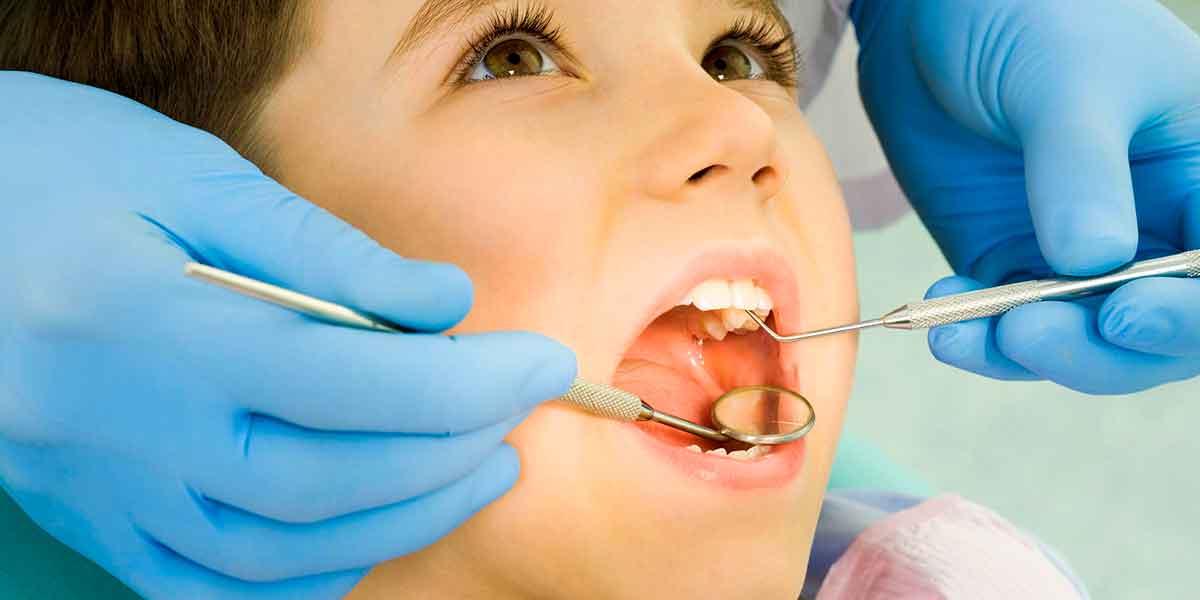

Early assessment by an orthodontist is essential for maintaining your child’s dental health and ensuring proper growth. Detecting issues early allows for interventions that can guide the development of the jaw and teeth, leading to better outcomes. This article aims to address common parental inquiries regarding early orthodontic assessment, offering crucial insights into its significance and advantages.
Importance of Early Orthodontic Evaluation
Timely evaluation enables the early detection of dental issues, which are often easier to treat during a child’s growth phase. Identifying problems promptly can prevent more severe complications in the future, resulting in more efficient and less invasive treatments.
Optimal Timing for Evaluation
The American Association of Orthodontists suggests that children undergo their first orthodontic assessment by the age of seven. At this stage, enough permanent teeth have emerged, allowing orthodontists to identify potential concerns related to jaw growth and tooth alignment.
Benefits of Early Detection
Early identification of orthodontic issues offers several benefits:
- Prevents the progression of serious dental problems
- Guides jaw growth to accommodate emerging teeth
- Reduces the necessity for extensive treatments later on
- Enhances the overall function and aesthetics of the teeth and jaw
Common Issues Identified During Early Orthodontic Evaluation
During an initial assessment, orthodontists will look for various issues that could impact your child’s dental health, such as:
Misaligned Teeth
Misalignment, including overcrowding, gaps, or improper bites, can be addressed early to simplify treatment and improve long-term results.
Jaw Growth Problems
Assessing proper jaw growth early on can help correct any discrepancies, ensuring a balanced and functional bite.
Early or Late Loss of Baby Teeth
The timing of baby tooth loss can affect permanent teeth alignment, prompting orthodontists to evaluate if teeth are being shed prematurely or belatedly.
Habits Affecting Dental Health
Identifying habits like thumb sucking or mouth breathing early allows for interventions to mitigate their impact on dental development.
Procedure During an Early Orthodontic Evaluation
An early orthodontic evaluation involves a comprehensive assessment of your child’s dental and facial development, including:
Initial Examination
Thorough examination of teeth, jaw, and bite using visual inspection, palpation, and dental instruments to assess alignment and health.
Diagnostic Imaging
Utilization of X-rays, panoramic radiographs, and 3D scans to identify underlying issues not visible during the initial examination.
Discussion of Findings and Recommendations
Orthodontists will explain identified issues, their implications, and recommended treatment options, providing an opportunity for parents to ask questions and understand the proposed plan.
Treatment Options for Early Orthodontic Issues
If issues are detected, orthodontists may recommend tailored treatment options, such as:
Space Maintainers
Preventing adjacent teeth from shifting into gaps left by prematurely lost baby teeth, ensuring proper eruption of permanent teeth.
Expansion Devices
Widening narrow jaws or addressing crowding to create space for permanent teeth.
Braces or Aligners
Early intervention with braces or clear aligners can correct misalignment issues before they worsen, potentially shortening and simplifying future treatments.
Habit Appliances
Designed to break detrimental habits like thumb sucking, promoting healthier dental development.
Long-Term Benefits of Early Orthodontic Treatment
Early orthodontic treatment offers significant long-term advantages, including:
- Improved oral health, reducing the risk of decay and gum disease
- Enhanced aesthetics and self-esteem, positively impacting social interactions
- Better functionality, improving bite and speech
- Reduced need for future treatments, saving time and costs
early orthodontic evaluation plays a crucial role in maintaining your child’s dental health and development. Detecting and addressing issues promptly can prevent complications and lay the groundwork for a healthy, attractive smile. If your child is nearing seven years of age or if you have concerns about their dental progress, consider scheduling an early orthodontic assessment with a qualified professional. This proactive approach can significantly influence your child’s oral health and overall well-being.