
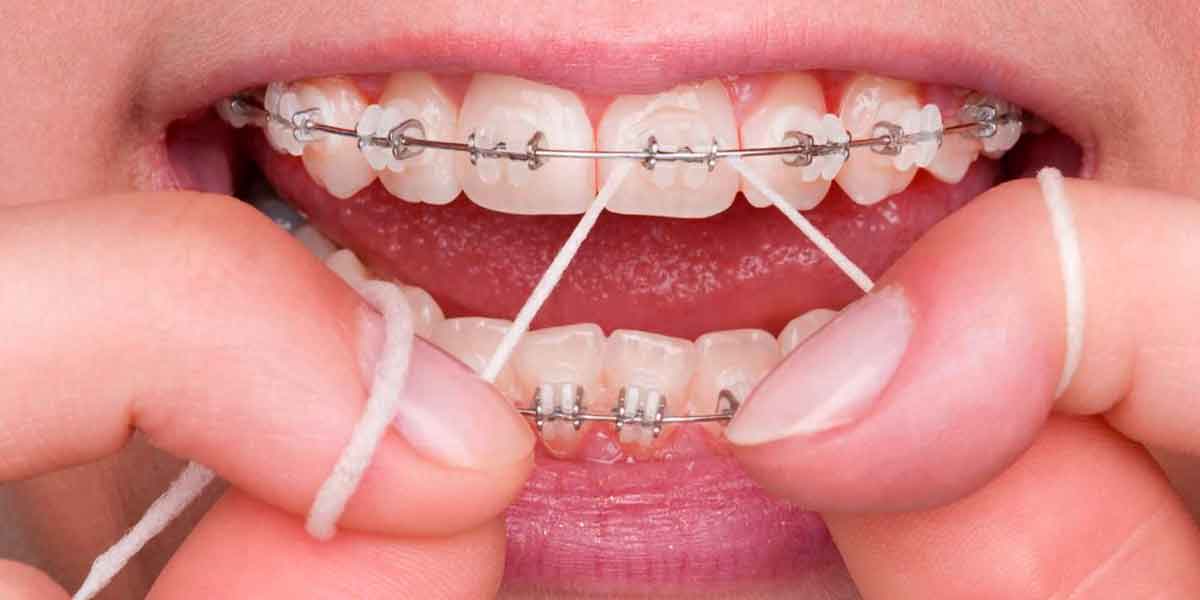

Dental braces are a popular orthodontic treatment aimed at fixing misaligned teeth and enhancing oral well-being. Despite the initial apprehension, the long-term advantages justify the decision. This article will delve into the advantages of dental braces, the treatment process, and why they are a commendable choice for attaining a healthier and more aesthetically pleasing smile.
The Advantages of Dental Braces
Dental braces go beyond just straightening teeth, playing a vital role in promoting overall oral health and boosting self-assurance.
Enhanced Oral Health
Misaligned teeth can complicate oral hygiene maintenance, leading to a higher risk of tooth decay, gum disease, and other dental complications. By properly aligning the teeth, braces make brushing and flossing more effective, reducing the likelihood of plaque accumulation, cavities, and gum inflammation.
Improved Bite Alignment
In addition to teeth straightening, braces can rectify bite irregularities such as overbite, underbite, crossbite, and open bite. Correct bite alignment is essential for efficient chewing and speaking, while also preventing tooth wear, jaw discomfort, and TMJ disorders.
Aesthetic Enhancement
A straight, well-aligned smile is frequently associated with charm and confidence. Dental braces can significantly enhance smile aesthetics, elevating self-esteem and social interactions. This transformation may also positively influence professional opportunities.
Long-Term Financial Benefits
Despite the initial cost, braces can save money in the long run by averting more complex dental issues that demand costly treatments. Investing in orthodontic care now can diminish the necessity for extensive dental procedures and enhance overall oral health.
The Journey of Acquiring Dental Braces
Understanding the process of obtaining braces can assuage any anxieties and prepare individuals for what lies ahead. Here is a step-by-step guide to the treatment process:
Initial Consultation
Commencing with an initial consultation with an orthodontist, where an evaluation of teeth, bite, and overall oral health occurs. Conversation regarding treatment goals takes place, and various assessments like X-rays and impressions are conducted to devise a comprehensive treatment strategy.
Treatment Planning
Following the preliminary assessment, a customized treatment plan is crafted to address individual requirements. This plan details the recommended braces type, treatment duration, expected outcomes, as well as associated risks, benefits, and costs.
Placement of Braces
The braces are affixed once the treatment plan is finalized. This involves cleaning and drying the teeth, applying adhesive to attach brackets, securing archwires with elastic bands, typically taking one to two hours.
Adjustments and Follow-Up Visits
Regular follow-up visits are indispensable for monitoring progress, making necessary adjustments, and addressing any discomfort. These visits occur every four to six weeks and aid in gradually shifting teeth to desired positions.
Maintenance of Oral Hygiene
Sustaining proper oral hygiene is critical during orthodontic treatment. Braces can trap food particles and plaque, increasing the risk of cavities and gum disease. Brushing after meals, daily flossing, and using mouthwash are vital, with the orthodontist recommending specialized tools for effective braces cleaning.
Various Types of Dental Braces
Several types of braces are available, each with distinct advantages tailored to individual needs and preferences.
Traditional Metal Braces
These are the predominant type, consisting of metal brackets and wires affixed to teeth. Modern versions are lighter and more comfortable, effectively treating various orthodontic issues.
Ceramic Braces
Similar to metal braces but with clear or tooth-colored brackets for a discreet appearance, making them popular among older teenagers and adults seeking a less noticeable option.
Lingual Braces
Placed on the lingual side of teeth, these braces are hidden from view while offering the same efficacy as traditional braces, requiring specialized expertise for placement.
Invisalign
This technique employs clear, removable aligners custom-made to gradually straighten teeth, popular among those desiring nearly invisible orthodontic treatment for convenience and flexibility.
Evaluating the Worth of Dental Braces
Determining the value of dental braces hinges on individual needs, aspirations, and dedication to the treatment process. Consider the following factors:
Commitment to Treatment
Adherence to regular visits, oral hygiene maintenance, and orthodontist’s guidelines is crucial for optimal outcomes, promising highly rewarding results with dedication.
Long-Term Benefits
The enduring benefits of dental braces outweigh transient inconveniences, with advantages like improved oral health, better bite alignment, and boosted aesthetics contributing to enhanced confidence and overall well-being.
Cost Considerations
While cost can be a concern, many practices offer payment plans and financing options, potentially saving money on future dental treatments, underscoring the investment in braces’ preventive benefits.
Conclusion
Dental braces represent a valuable investment in oral health and appearance. Despite the requisite time, effort, and commitment, the benefits of improved oral health, enhanced aesthetics, and boosted self-esteem justify the decision. For those contemplating braces, consulting with an experienced orthodontist for personalized guidance and a tailored treatment plan is imperative, paving the way for a lasting, confident smile.