
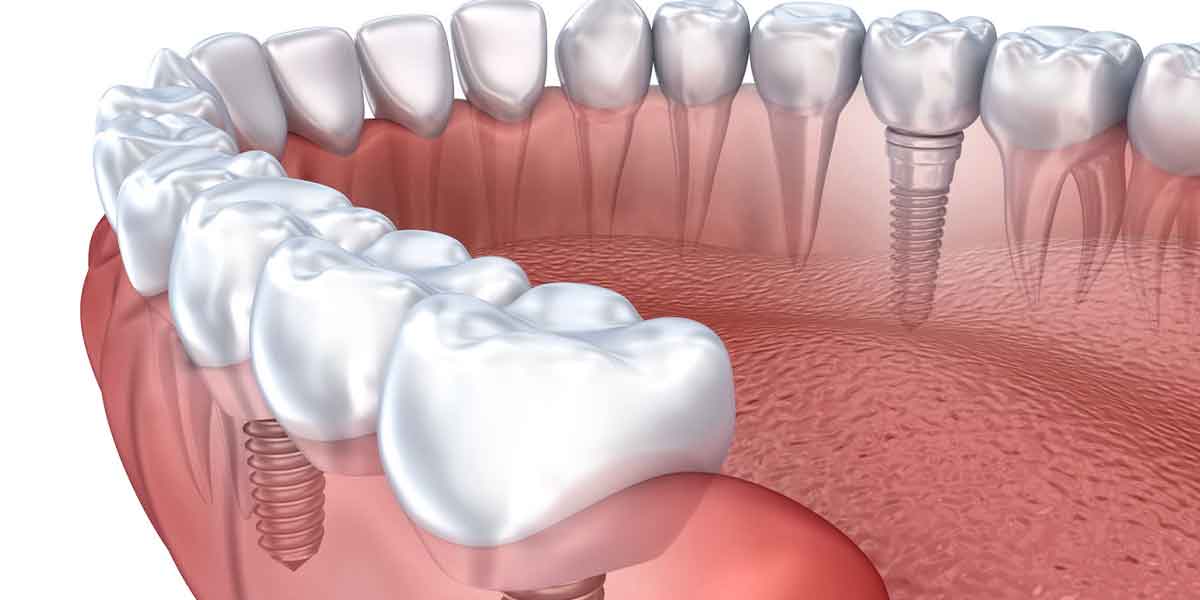

Dental implants have revolutionized the way individuals deal with missing teeth, offering a permanent and aesthetically pleasing solution that can greatly enhance dental health and overall quality of life. This comprehensive guide will delve into the benefits of dental implants, the procedure involved, and essential care tips for maintaining them effectively.
Understanding Dental Implants
Dental implants serve as artificial tooth roots, typically made of biocompatible materials like titanium. These implants are surgically placed into the jawbone, providing a stable base for replacement teeth such as crowns, bridges, or dentures. By mimicking the function and appearance of natural teeth, dental implants offer a long-term solution for tooth loss.
Components of Dental Implants
- Implant Fixture: The titanium post that acts as the artificial root.
- Abutment: A connector placed on top of the implant fixture to hold the replacement tooth securely.
- Prosthesis: The visible part of the implant, which can be a crown, bridge, or denture.
Benefits of Dental Implants
Dental implants present several advantages over traditional tooth replacement options, including:
Improved Oral Health
- Preservation of Jawbone Structure: Implants stimulate the jawbone, preventing bone loss and maintaining facial structure.
- Prevention of Tooth Shifting: By filling the gap left by a missing tooth, implants prevent neighboring teeth from shifting.
- Maintenance of Natural Teeth: Unlike traditional bridges, implants do not require altering adjacent teeth, preserving their natural state.
Enhanced Aesthetics
Dental implants provide a natural-looking smile by matching the color, shape, and size of natural teeth, boosting self-confidence and overall aesthetics.
Long-Lasting Solution
With proper care, dental implants can last a lifetime due to their durable materials that withstand daily wear and tear.
Improved Functionality
Dental implants function like natural teeth, enabling confident eating, speaking, and smiling without the discomfort or instability often associated with dentures.
The Dental Implant Procedure
The dental implant procedure involves several crucial stages to ensure the success and longevity of the implants. Here is an overview of the process:
Initial Consultation and Planning
During the initial consultation, your dentist will assess your oral health, conduct necessary imaging tests, and create a personalized treatment plan tailored to your specific needs.
Assessment and Imaging
- Oral examination to evaluate teeth and gum condition
- X-rays or 3D scans to assess bone density
- Discussion of medical history and health conditions
Surgical Placement of the Implant
The surgical placement of the implant fixture involves making an incision in the gum tissue, creating a hole in the jawbone, and inserting the implant fixture under local anesthesia.
Healing and Osseointegration
After placement, a healing period allows for osseointegration, where the implant fuses with the jawbone to provide a stable foundation for the replacement tooth.
Attachment of the Abutment
Once osseointegration is complete, the abutment is attached to the implant fixture, securing it in place for the final restoration.
Placement of the Prosthesis
The final step involves attaching the custom-made crown, bridge, or denture to the abutment, completing the dental implant procedure.
Caring for Dental Implants
Proper care and maintenance are essential for the longevity and success of dental implants. Follow these tips to keep your implants in optimal condition:
Maintain Good Oral Hygiene
Brush your teeth twice daily with a soft-bristled toothbrush and floss regularly to remove plaque and food particles around the implant and prosthesis.
Regular Dental Check-Ups
Visit your dentist every six months for professional cleanings and examinations to monitor the health of your implants and address any issues promptly.
Avoid Hard or Sticky Foods
Prevent damage to your implants by avoiding hard or sticky foods and refraining from habits like biting on ice or pens.
Quit Smoking
Smoking can hinder the healing process and increase the risk of implant failure. Consider quitting to improve the success and longevity of your dental implants.
dental implants offer a safe, effective, and durable solution for missing teeth, providing numerous benefits for dental health and overall well-being. By understanding the procedure, benefits, and care requirements, you can make an informed decision about whether dental implants are right for you. Consult with your dentist to explore your options and embark on the journey towards a healthier, more confident smile.